Introduction: Why the Leopard Gecko Is the Perfect Reptile Companion
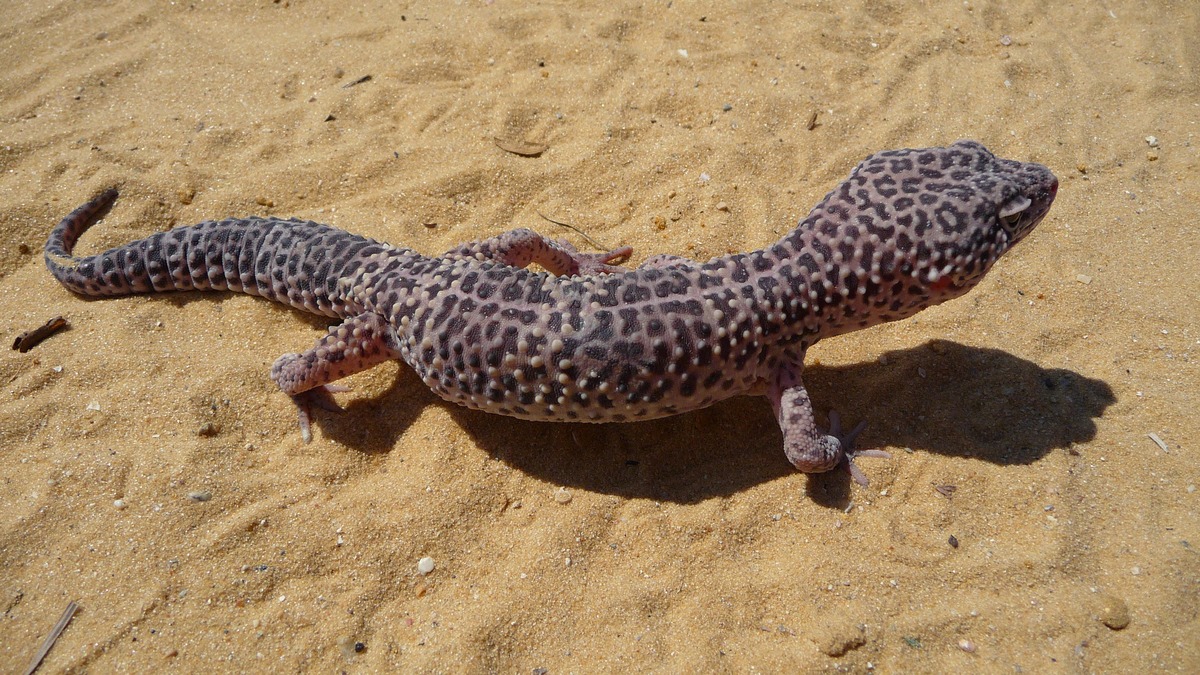
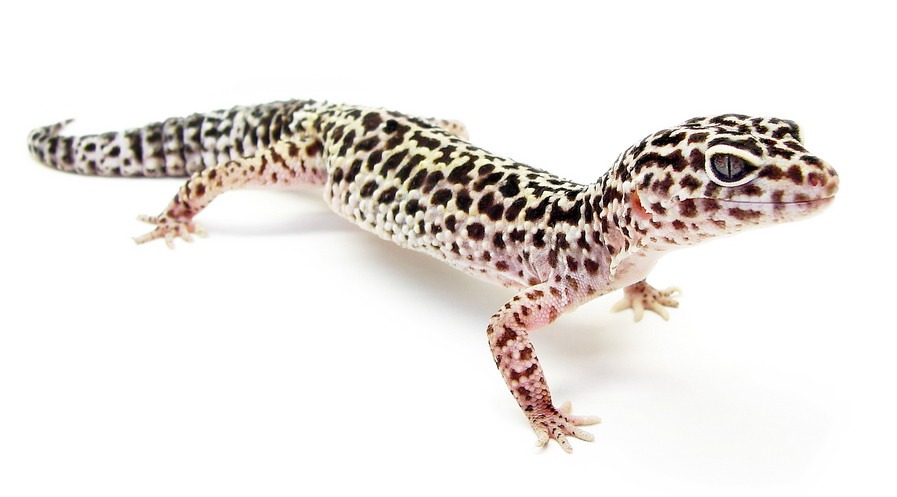
There’s something genuinely magical about the moment you first hold a leopard gecko. That warm little body rests in the curve of your palm, its oversized eyes blinking slowly up at you with what can only be described as reptilian curiosity. The spotted pattern — like a living work of pointillist art — shimmers faintly under the light, and for a split second you forget this is a creature that shares a distant evolutionary branch with the dinosaurs. You are simply captivated.
Leopard geckos (Eublepharis macularius) have earned their reputation as the gold standard of beginner reptiles, but that label does them a disservice. These animals are not merely “starter pets” to be outgrown. They are charismatic, long-lived, and deeply rewarding companions that experienced keepers return to again and again. Unlike many lizards that require elaborate setups and tolerate handling only grudgingly, the leopard gecko actually seems to enjoy human interaction — or at least to tolerate it with remarkable good humor.
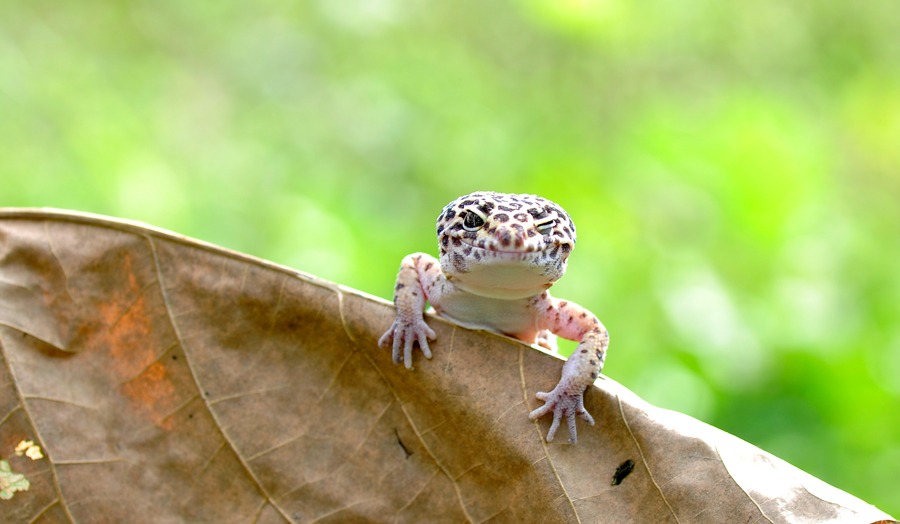
What makes them so special? For one, they talk. Well, not in words, but in chirps, squeaks, and barks. A happy leopard gecko exploring its enclosure makes soft clicking sounds. A startled one lets out a high-pitched squeak. A male encountering another male will produce a series of grumpy-sounding barks. They have personalities as distinct as any dog or cat. You will meet leopard geckos that are bold, curious, and eager to climb onto your hand. You will meet others that are shy, deliberate, and prefer to observe the world from the safety of their humid hide before venturing out.
This guide is designed to take you from complete beginner to confident keeper. Whether you are setting up your very first enclosure or you are a seasoned hobbyist looking to refine your husbandry, every section here is built on current best practices, veterinary recommendations, and the collective wisdom of the leopard gecko community. By the time you finish reading, you will know exactly what your gecko needs to thrive — not just survive — in captivity. And along the way, you will discover why so many of us have fallen head over heels for these spotted little wonders.
Leopard Gecko Species Overview
Before diving into the details of care, it helps to understand where leopard geckos come from and what makes them biologically unique. Native to the rocky, arid grasslands and desert regions of Afghanistan, Pakistan, northwest India, and parts of Iran, leopard geckos have evolved a suite of traits that make them perfectly suited to a life of warmth, patience, and occasional cricket-chasing.
One of the most distinctive features of leopard geckos — and the trait that sets them apart from most other gecko species — is that they have movable eyelids. Most geckos, including the popular crested gecko and tokay gecko, have a fixed, transparent scale called a spectacle covering their eyes, much like a snake. Leopard geckos, however, can blink, close their eyes to sleep, and even wipe debris away with their tongues. This gives them an unusual degree of expressiveness and is one of the reasons they are so endearing to keepers.
In the wild, leopard geckos are crepuscular, meaning they are most active during dawn and dusk. They spend the hottest parts of the day hidden in rock crevices, burrows, and beneath loose slabs of stone, emerging when the temperature drops to a comfortable range. This behaviour has important implications for how we set up their enclosures — they need plenty of dark, secure hiding places and should never be exposed to intense, direct light for extended periods.
- Scientific Name: Eublepharis macularius
- Average Lifespan: 15–20 years (well-cared-for individuals often reach 25+ years)
- Adult Size: 7–10 inches (18–25 cm) from snout to tail tip
- Adult Weight: 50–80 grams (females smaller, males larger and heavier)
- Natural Range: Arid regions of Afghanistan, Pakistan, India, and Iran
- Activity Pattern: Crepuscular (dawn and dusk active)
- Temperament: Docile, curious, generally tolerant of handling
A common question new keepers ask is whether leopard geckos are social animals that need to be housed together. The answer is a firm no. While juvenile leopard geckos can sometimes be housed together briefly under careful supervision, adult males are fiercely territorial and will fight — sometimes to the death. Females can sometimes coexist in groups of two or three if the enclosure is large enough and each has her own set of hides and resources, but there is always a risk of bullying, stress, and resource competition. The safest, most stress-free approach for the vast majority of keepers is to house leopard geckos singly. They do not get lonely. They do not miss having a companion. What they need is a well-designed, secure territory that they control entirely.
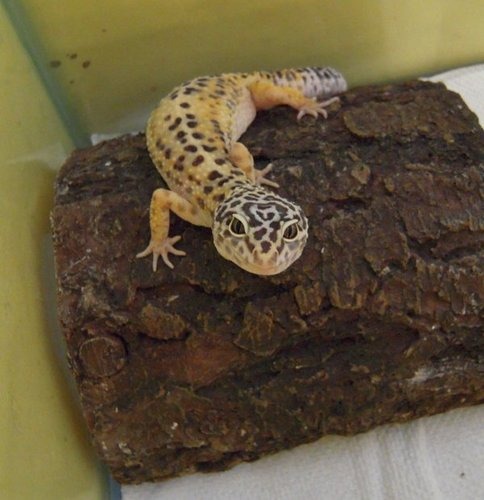
One more thing worth noting: leopard geckos are one of the most heavily captive-bred reptiles in the world. Decades of selective breeding have produced a staggering array of colour morphs, from the classic wild-type yellow with black spots to stunning designer morphs like the blazing blizzard (a pure white gecko with no pattern), the tangerine (vibrant orange), and the bold-eyed patternless. While morphs don’t change basic care requirements, they do influence price — common morphs can be found for $30–$50, while rare designer morphs can fetch several hundred dollars. Always buy from a reputable breeder who can provide a clear health history and who raises their animals with proper husbandry from day one.
Setting Up the Perfect Habitat
Your leopard gecko’s enclosure is its entire world. Every element — the size, the substrate, the hides, the temperature gradient — either contributes to its physical and psychological well-being or creates stress that can lead to illness, refusal to eat, and a shortened lifespan. Getting the habitat right from the start is the single most important investment you will make as a keeper. Fortunately, a proper leopard gecko setup is neither complicated nor prohibitively expensive.
Enclosure Size
The days of keeping leopard geckos in 10-gallon aquariums are, mercifully, behind us. While a 10-gallon tank (roughly 20 × 10 × 12 inches) was once considered standard, modern best practices recommend a minimum of a 20-gallon long enclosure (30 × 12 × 12 inches) for a single adult leopard gecko. Bigger is always better: a 40-gallon breeder tank (36 × 18 × 16 inches) provides far more enrichment opportunities and allows for a more naturalistic setup. Front-opening enclosures (sometimes called vivariums or terrariums) are strongly preferred over top-opening tanks because opening from the front is far less intimidating to a ground-dwelling lizard that perceives movement from above as a potential predator.
Leopard geckos are terrestrial — they don’t climb much in the wild — so floor space matters far more than height. A long, shallow enclosure with plenty of horizontal real estate is ideal. Avoid tall, narrow tanks designed for arboreal species.
Heating and Temperature Gradient
Leopard geckos are ectothermic, meaning they rely entirely on external heat sources to regulate their body temperature. In the wild, they move between sun-warmed rocks and cool burrows to maintain their preferred body temperature of roughly 88–92 °F (31–33 °C). In captivity, we replicate this gradient by providing a warm side and a cool side of the enclosure.
- Warm side (basking area): 88–92 °F (31–33 °C) measured at the substrate surface
- Cool side: 72–78 °F (22–26 °C)
- Nighttime drop: Can go as low as 65–70 °F (18–21 °C) — a natural temperature drop at night is healthy
The best heat source for leopard geckos is an under-tank heater (UTH) or a deep heat projector (DHP) mounted on the warm side. Heat mats should cover roughly one-third of the enclosure’s floor area and must always be connected to a thermostat. A thermostat is not optional — without one, a heat mat can reach temperatures exceeding 120 °F, causing severe burns to your gecko’s belly. Set the thermostat probe directly on the warm-side substrate where your gecko will be resting, and set the temperature to 90 °F.
Some keepers also use ceramic heat emitters (CHEs) or deep heat projectors mounted above the enclosure. These provide infrared heat that warms the gecko’s body more effectively than a heat mat alone, and they do not emit any visible light, so they can be used 24/7 without disrupting the gecko’s day/night cycle. Avoid coloured “night-glow” bulbs — they produce light that can stress nocturnal and crepuscular animals.
Substrate
Substrate choice is one of the most hotly debated topics in leopard gecko husbandry, but the consensus among experienced keepers and veterinarians has become increasingly clear. For beginners, the safest options are paper towels, slate tile, or non-adhesive shelf liner. These substrates are impossible to ingest, easy to clean, and allow you to monitor your gecko’s droppings for signs of illness.
Loose substrates like calcium sand, walnut shell, and crushed corn cob are dangerous and should never be used. They pose a serious risk of impaction — a blockage in the digestive tract caused by ingesting indigestible material — which can be fatal. Even “digestible” calcium sands are problematic because geckos may consume large amounts while hunting, leading to calcium imbalances and impaction.
For keepers who want a more naturalistic look, a soil-and-sand mix (roughly 70% organic topsoil, 30% washed playsand) can work well for experienced keepers who maintain proper temperatures and provide supplemental calcium in a dish rather than dusting prey heavily. The soil mix allows for burrowing and holds humidity better than tile, but it requires spot-cleaning and complete replacement every few months. If you choose this route, make sure your gecko is healthy, well-hydrated, and housed at correct temperatures — impaction is far more likely in a cold, dehydrated animal.
Hides and Decor
Leopard geckos need a minimum of three hides arranged across the temperature gradient:
- Warm hide — placed on the warm side, over or near the heat source
- Cool hide — placed on the cool side
- Humid hide — placed in the middle or slightly warm side, filled with moist sphagnum moss or paper towel to aid in shedding
The humid hide is especially important. Leopard geckos shed their skin in one piece every 4–6 weeks, and without adequate humidity, the shed can stick to their toes, eyes, and tail tip, causing constriction, loss of circulation, and even loss of digits. The humid hide should be checked daily and re-misted as needed to keep the substrate damp but not soaking wet.
Beyond the essential three hides, add enrichment: cork bark flats, stone slabs (securely placed so they cannot fall), artificial or live succulents (ensure they are reptile-safe and pesticide-free), and low branches for climbing. Leopard geckos are surprisingly agile and will use climbing opportunities even though they are terrestrial. A shallow water dish (changed daily) and a small dish of calcium powder (without D3) should also be available at all times.
Temperature and Lighting Requirements
Temperature management is the single most critical aspect of leopard gecko husbandry. Get the temperature right, and your gecko will eat well, digest properly, shed cleanly, and maintain a robust immune system. Get it wrong, and everything else — appetite, activity, digestion, breeding — will suffer.
The fundamental principle is the thermal gradient. Your enclosure should have a distinct warm side and a distinct cool side, allowing your gecko to self-regulate by moving between the two. This is not a suggestion — it is a biological necessity. In the wild, a leopard gecko may move dozens of feet throughout the night to find its optimal temperature. In a 36-inch enclosure, the gradient should be sharp enough that the warm side reaches 90 °F while the cool side stays below 78 °F. Achieving this requires careful placement of heat sources and regular monitoring with at least two digital thermometers (one on each side).
Infrared temperature guns are invaluable tools for checking surface temperatures quickly and accurately. Point the gun at the warm-side substrate where your gecko’s belly rests — that surface temperature is what matters, not the ambient air temperature. Overhead heat sources (DHPs, CHEs) should be positioned to create a basking spot of 90–92 °F at the substrate directly below, with the temperature dropping off gradually toward the cool side.
One of the most common mistakes new keepers make is using a heat rock. Never use a heat rock. These devices heat unevenly, develop hot spots that can reach dangerous temperatures, and have caused countless thermal burns in reptiles. Stick to under-tank heaters (with thermostats) and/or overhead heat projectors.
As for lighting, leopard geckos do not require UVB lighting in the same way that diurnal reptiles like bearded dragons do. However, recent research suggests that low-level UVB (2–5% UVB, or a ShadeDweller type fixture) can be beneficial for leopard geckos, particularly for vitamin D3 synthesis and overall well-being. If you provide UVB, offer plenty of shaded areas and do not leave it on for more than 10–12 hours per day. Many keepers successfully keep leopard geckos without UVB by providing dietary vitamin D3 supplementation, but adding a low-level UVB tube is a health bonus that your gecko will appreciate.
A consistent day/night cycle is essential. Use a simple timer to turn lights on and off at the same times each day. In summer, aim for 14 hours of daylight; in winter, reduce to 10–12 hours. This seasonal variation helps regulate your gecko’s natural biological rhythms, including breeding cycles.
Feeding Your Leopard Gecko
Feeding a leopard gecko is simple in concept but requires attention to detail. As insectivores, they need a diet consisting entirely of live, gut-loaded insects dusted with appropriate calcium and vitamin supplements. There is no room for fruits, vegetables, or commercial pellet diets — leopard geckos are obligate insectivores and their digestive systems are designed exclusively for processing invertebrate prey.
Staple Feeder Insects
The foundation of a healthy leopard gecko diet is variety. While it’s tempting to feed only crickets (because they are cheap and readily available), a varied diet provides a broader range of nutrients and prevents the boredom that can lead to picky eating.
- Crickets: The standard staple. Readily accepted, easy to gut-load, and widely available in all sizes. The downside: they smell, they can escape, and they may bite your gecko if left in the enclosure uneaten.
- Dubia Roaches: Arguably the best staple feeder. High in protein, low in fat, cannot climb smooth surfaces, do not fly, and are silent. They are more expensive than crickets but well worth the cost.
- Black Soldier Fly Larvae (BSFL/CalciWorms): Naturally high in calcium (no dusting needed) and easy to keep. Small geckos love them. They can be used as a staple or a supplement.
- Mealworms: A good occasional feeder but too high in fat and too low in moisture to be a staple. Feed in moderation (no more than 25% of the diet).
- Waxworms: Essentially reptile candy — very high in fat. Use only as an occasional treat or to tempt a gecko that is refusing food.
- Hornworms: High in moisture, good for hydration. Offer occasionally as a treat.
Gut-Loading and Supplementation
Your feeder insects are only as nutritious as the food they eat. Gut-loading — feeding your insects a high-quality diet for 24–48 hours before offering them to your gecko — dramatically improves their nutritional value. Commercial gut-load diets (like Repashy Bug Burger) are excellent, but you can also use fresh vegetables: carrots, sweet potatoes, leafy greens, and oranges. Never use water crystals alone — they provide hydration but no nutrition.
Supplementation follows a simple schedule:
- Calcium with D3: Dust feeder insects at every feeding for juveniles (growing geckos need heavy calcium), and at every other feeding for adults.
- Calcium without D3: Leave a small dish in the enclosure at all times. Your gecko will self-regulate and lick it as needed.
- Multivitamin: Dust feeders once a week (every fourth feeding for adults). Use a reptile-specific multivitamin that includes vitamin A (beta-carotene or preformed retinol).
Feeding Schedule
The frequency of feeding depends entirely on your gecko’s age:
- Hatchlings and Juveniles (0–6 months): Feed daily — offer as many appropriately sized insects as they will eat in 10–15 minutes (typically 5–8 small insects per session).
- Subadults (6–12 months): Feed every other day. Insects should be slightly larger (medium crickets or small dubia roaches).
- Adults (12+ months): Feed every 3–4 days. Offer 5–8 large insects per feeding. Adult geckos can easily become overweight if overfed, so monitor body condition — a healthy adult has a thick tail (fat storage) but a clearly defined waist.
A fat, healthy tail is your best indicator of good nutrition. The tail is where leopard geckos store fat reserves — it should be plump and rounded, not deflated and wrinkly. An underweight gecko will have a thin, triangular tail and visible ribs or spine. If you see this, increase feeding frequency and check your husbandry (especially temperatures, as geckos cannot digest food properly without adequate heat).
Handling and Temperament
One of the main reasons leopard geckos are so beloved is their docile, easygoing temperament. Unlike many lizards that become stressed by handling and may bite, tail-whip, or try to escape, leopard geckos are remarkably tolerant of gentle human interaction. Most can be trained to enjoy (or at least tolerate) regular handling sessions, making them ideal pets for adults and supervised children alike.
Before you start handling, your new gecko needs to settle in. The two-week rule is a good guideline: after bringing your gecko home, do not handle it for at least two weeks. During this time, provide food, water, and proper temperatures, but keep interactions limited to necessary maintenance. Your gecko needs to learn that its new enclosure is safe, that food appears regularly, and that the giant moving shapes outside the glass are not predators. Rushing this process will create a stressed, fearful gecko that may take months to feel comfortable.
When you are ready to begin handling, follow these steps:
- Approach slowly. Always let your gecko see your hand coming — never grab from above, as this mimics a bird of prey attack. Move slowly and deliberately.
- Scoop, don’t grab. Slide your hand flat under the gecko’s belly and let it walk onto your palm. Support the entire body, including the tail. Do not squeeze or restrain the gecko.
- Keep sessions short. Start with 2–3 minutes, then gradually increase to 10–15 minutes. Watch for signs of stress: rapid breathing, tail-waving (a defensive posture), or attempts to jump away. If you see these, end the session calmly.
- Stay low to a surface. Leopard geckos can and will jump from heights. Always handle them over a soft surface (a bed, a couch, or the floor) to prevent injury from a fall.
- Never handle by the tail. Leopard geckos have a defense mechanism called caudal autotomy — they can drop their tail when grabbed or frightened. The tail will regrow over weeks to months, but the regrown tail is never as perfect as the original, and the process is stressful and energy-intensive for the gecko.
Once your gecko is accustomed to handling, you will notice its personality emerge. Some geckos are bold explorers who want to climb your arms and investigate your hair. Others are more sedate, preferring to curl up in the warmth of your palm and observe the world from a safe vantage point. Both personalities are normal and wonderful. The key is to let your gecko set the pace and never force interaction when it is clearly not in the mood.
A final word on children: leopard geckos can make excellent first pets for children aged 8 and older, provided an adult supervises all handling sessions. Teach children to be gentle, quiet, and patient. Remind them that the gecko is a living creature with its own needs and feelings, not a toy. With proper guidance, a leopard gecko can teach a child responsibility, empathy, and the joy of caring for an exotic animal.
Common Health Issues
Even with perfect husbandry, health problems can sometimes arise. Knowing what to look for — and having a relationship with a reptile-experienced veterinarian before you need one — can make the difference between a quick recovery and a tragedy. Below are the most common health issues seen in captive leopard geckos.
Shedding Problems (Dysecdysis)
Leopard geckos shed their skin every 4–6 weeks. In a healthy gecko with adequate humidity (provided by a humid hide), the shed comes off in one perfect piece, which the gecko often eats (reclaiming valuable nutrients). Problems occur when humidity is too low. Stuck shed on the toes can constrict blood flow, leading to toe loss. Stuck shed on the eyes can cause infections and vision problems. Stuck shed on the tail tip can lead to necrosis.
Prevention: Maintain a humid hide with damp sphagnum moss. Mist it daily. If you notice stuck shed, give your gecko a warm soak in shallow water (85–90 °F) for 10–15 minutes, then gently rub the stuck skin with a damp cotton swab. Never pull at stuck shed — if it does not come off easily, leave it and consult a vet.
Metabolic Bone Disease (MBD)
MBD is the most serious nutritional disorder in leopard geckos. It is caused by a calcium deficiency (or a calcium-to-phosphorus imbalance) and results in soft, deformed bones. Symptoms include a soft jaw (sometimes called “rubber jaw”), bent limbs, difficulty walking, muscle tremors, and a crooked spine. MBD is entirely preventable with proper supplementation and UVB lighting.
Treatment: MBD cannot be fully reversed, but it can be managed. A vet will prescribe liquid calcium supplements and recommend correcting the husbandry issues that caused it. Severe cases may require assisted feeding and physical therapy. If you suspect MBD, seek veterinary care immediately.
Parasites (Internal and External)
Captive leopard geckos can harbour internal parasites (cryptosporidium, coccidia, pinworms) and external parasites (mites). Symptoms of internal parasites include chronic weight loss despite a good appetite, regurgitation, diarrhea, or undigested food in the stool. Cryptosporidium (crypto) is especially dangerous — it is highly contagious and often fatal. Mites appear as tiny black or red specks moving on the gecko’s skin, especially around the eyes, ear openings, and vent.
Prevention: Quarantine new geckos for at least 60–90 days before introducing them to an existing collection. Sanitize all enclosure items between uses. Have a fecal exam done annually by a reptile vet. If parasites are found, follow your vet’s treatment protocol exactly — many reptile parasites require multiple rounds of medication.
Impaction
Impaction occurs when a gecko ingests indigestible material (loose substrate, large feeder insect parts) that blocks the digestive tract. Symptoms include lethargy, loss of appetite, a swollen belly, and the absence of droppings for several days. Impaction is often fatal if not treated promptly.
Prevention: Use solid substrates (paper towels, tile) for juveniles and geckos with health issues. If using a loose substrate, ensure temperatures are optimal — heat helps digestion. Offer appropriately sized prey (no larger than the space between your gecko’s eyes). Provide a shallow water dish at all times to help with hydration and digestion.
Eye Problems
Leopard geckos can develop eye infections, corneal abrasions, and vitamin A deficiency (which causes swollen, crusty eyes). Symptoms include squinting, discharge, swelling, or keeping one eye closed. Vitamin A deficiency is often linked to poor supplementation — ensure your multivitamin contains preformed vitamin A (retinol), not just beta-carotene, which some reptiles cannot convert efficiently.
Treatment: Eye issues always require a vet visit. Do not attempt to treat with over-the-counter drops — many contain ingredients toxic to reptiles. Your vet may prescribe antibiotic eye drops or recommend vitamin A injections for deficiency cases.
Frequently Asked Questions
How can I tell if my leopard gecko is male or female?
Sexing leopard geckos is straightforward in individuals over 6 months of age. Gently lift the tail and examine the underside just past the vent. Males have a distinct row of V-shaped preanal pores and two visible hemipenal bulges at the base of the tail. Females have smaller pores (barely visible) and no bulges. A magnifying glass or macro lens helps. Sexing younger geckos is unreliable — wait until they reach 35–40 grams before making a determination.
Do leopard geckos need a companion?
No. Leopard geckos are solitary by nature and do not benefit from cohabitation. Housing geckos together can lead to fighting, stress, resource competition, and injury. Each gecko should have its own enclosure. The exception is breeding pairs or trios, which should only be set up by experienced keepers with proper quarantine and monitoring protocols.
Can I breed leopard geckos at home?
Breeding leopard geckos is possible but requires preparation. The female must be at least 18 months old and weigh a minimum of 50 grams. Provide a cooling period (65–70 °F for 6–8 weeks) to stimulate breeding behaviour, then gradually warm the enclosure. Introduce the male to the female’s enclosure (never the reverse) and supervise all interactions. Females will lay two eggs every 2–3 weeks during the breeding season, which is extremely taxing — limit breeding to 4–5 clutches per season and provide extra calcium. Incubation takes 45–60 days depending on temperature; incubation temperature also determines the sex of the offspring.
What happens if my gecko drops its tail?
Caudal autotomy (tail dropping) is a defence mechanism. The tail will thrash and twitch after separation to distract predators while the gecko escapes. The tail stump heals within a few days, and a new tail will begin to regrow over 4–8 weeks. The regrown tail is typically shorter, plumper, and smoother than the original, with a different pattern or colour. Keep the enclosure exceptionally clean during regrowth to prevent infection, and offer extra food to support the energy demands of regeneration. Do not use loose substrates during this period.
Why is my leopard gecko not eating?
Loss of appetite can have many causes. First, check your temperatures — if the warm side is below 85 °F, your gecko cannot digest food and will stop eating. Other causes include stress (recent rehoming, new enclosure), seasonal breeding behaviour (many males stop eating during the breeding season), impaction, parasites, or the natural winter cooling period. If your gecko has stopped eating for more than 2 weeks and is losing weight, consult a reptile vet.
Do leopard geckos drink from a bowl?
Yes, but many keepers also notice their geckos licking water droplets from plants or the enclosure walls after misting. Always provide a shallow, heavy water dish (deep enough to drink from but shallow enough to prevent drowning, about 1/2 inch deep). Change the water daily and wash the dish weekly. Some geckos prefer to drink from droplets, so a light misting of the enclosure once or twice a week (avoiding the gecko directly) is beneficial.
Conclusion: Your Journey Starts Here
Caring for a leopard gecko is a long-term commitment, but it is one of the most rewarding experiences in the reptile-keeping world. These animals are not decorations or novelties — they are living beings with distinct personalities, dietary needs, and environmental requirements that deserve to be met with knowledge and dedication. The fact that you have read this entire guide tells us that you are exactly the kind of keeper who will give a leopard gecko the life it deserves.
Start by setting up the enclosure first, before you bring your gecko home. Get the temperatures stable, the hides arranged, and the substrate chosen. Let the enclosure run for at least a week to make sure everything is working — you want to catch any temperature or humidity problems before your gecko is depending on you to fix them. Join online communities (the r/leopardgeckos subreddit, Facebook groups, and the ReptiFiles website are excellent resources) so you have a support network of experienced keepers when questions arise.
And when you finally bring your new gecko home, be patient. It may take weeks or even months for a shy gecko to fully settle in and reveal its personality. Enjoy the slow process of earning its trust. Celebrate the small milestones — the first time it eats from your hand, the first perfect shed, the first time it falls asleep in your palm. These moments are the true rewards of reptile keeping, and they are worth every ounce of effort you put in.
If you have questions beyond what we covered here, drop them in the comments below. And if you are ready to start your leopard gecko journey, check out our recommended products and starter kits in the shop — everything you need to give your new friend a warm, safe, and enriching home.
Your story with leopard geckos is just beginning. Make it a great one.