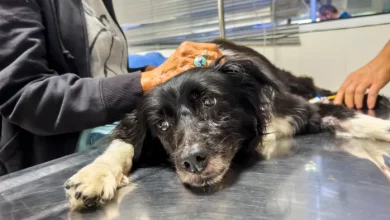
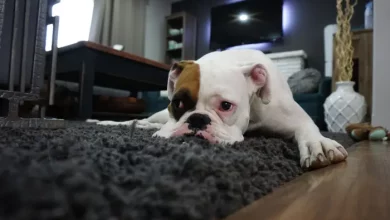
Creating a pet-safe home starts with seeing your space through your pet's eyes.
Protect your furry family members by pet-proofing every room.
Introduction: The Dangers Hiding in Plain Sight
Your home is your sanctuary — a place of comfort, safety, and warmth. But if you share it with a four-legged friend, it’s also a landscape of hidden hazards. Every year, thousands of pets are rushed to emergency veterinary clinics after encounters with everyday household items that their owners never thought twice about. The remote control on the coffee table, the half-empty bottle of ibuprofen left on the nightstand, the potted lily by the window, the dishwasher pod peeking through the cracks of a cabinet door — all of these are potential emergencies waiting to happen.
The truth is, our homes were not designed with pets in mind. We see a cozy living room; our dog sees a buffet table and a toy box. We see a tidy kitchen; our cat sees a jungle of countertops, dangling cords, and fascinating smells wafting from the trash can. We think we’re inside a safe, domesticated space. Our pets think they’re on an adventure. And that disconnect — between human perception and animal instinct — is exactly where accidents happen.
Pet-proofing your home is not about bubble-wrapping your entire life or turning your house into a sterile, empty box. It’s about understanding the world from your pet’s perspective and making small, intentional changes that prevent big, catastrophic outcomes. It’s the single most effective thing you can do to keep your dog or cat safe, healthy, and thriving — without sacrificing your own comfort or peace of mind.
In this comprehensive guide, we’ll walk through every room of your home — from the kitchen and living room to the bedroom, bathroom, garage, and outdoor spaces — identifying the most common dangers and giving you actionable, practical solutions to eliminate them. You’ll learn which common houseplants are deadly (and what to replace them with), how to build an emergency preparedness kit for your pet, and how to adopt the mindset of a dog or cat so you can spot risks before they turn into tragedies. Let’s get started making your home the safest place on earth for the animal you love.
Protect your furry family members by pet-proofing every room.
The Pet-Proofing Mindset: Think Like Your Pet
Before you buy a single cabinet lock or cord concealer, you need to shift your perspective. The most effective pet-proofing doesn’t start with products — it starts with empathy. You have to get down on your hands and knees — literally — and see your home the way your pet sees it. And the way a dog sees your home is profoundly different from the way a cat sees it.
Dogs are driven by their noses. Their world is an olfactory tapestry of scents, layered on surfaces you can’t even see. That smudge of peanut butter on the counter? A dog smells it from across the room. The greasy residue at the bottom of the trash can? Irresistible. A dropped ibuprofen capsule is just another interesting-smelling object — and to a Labrador or Beagle, everything interesting-smelling is food. Dogs also explore with their mouths — especially puppies and adolescents. Chewing is their primary way of interacting with novel objects. That’s why electrical cords, shoes, TV remotes, and children’s toys are so dangerously appealing to them.
Cats, on the other hand, are driven by height, texture, and movement. A cat assesses your home vertically. They want to climb, perch, bat, and pounce. The top of the refrigerator, the curtain rod, the bookshelf — these are lookout points, not furniture. Cats are also fastidious groomers, which means anything that gets on their paws gets ingested. A tiny amount of a toxic cleaning product, a pollen grain from a poisonous plant, or a thread from a sewing kit can all end up in a cat’s digestive system through normal grooming behavior.
The Golden Rule of Pet-Proofing: If your pet can reach it, sniff it, paw it, or mouth it, they will. Assume nothing is out of reach. A cat can jump six feet vertically. A large dog can counter-surf with ease. A determined pet can open cabinet doors, push through baby gates, and extract items from closed containers. When you’re pet-proofing, don’t ask “Can my pet get into this?” Ask “If my pet really wanted to get into this, could they?” If the answer is yes — or even maybe — you need a solution.
Start by doing a room-by-room crawl-through. Get on your hands and knees and look at your home from a height of about 18 inches off the floor. What do you see? Electrical cords? Small objects under furniture? Toxic plant leaves within reach? Loose change? Batteries? Rubber bands? Now look up — what’s on low tables, coffee tables, side tables, and windowsills? Everything within a pet’s reach (and for a cat, that’s much higher than you think) needs to be evaluated. This shift in mindset — from human-centric to pet-centric awareness — is the foundation of everything else you’ll do.
Remember: accidents happen in seconds. You can turn your back for just a moment, and in that moment, your pet can ingest something deadly. Pet-proofing isn’t paranoia; it’s preparation. And it’s one of the greatest gifts you can give the animal who trusts you completely.
Protect your furry family members by pet-proofing every room.
Kitchen Safety
The kitchen is, statistically speaking, the most dangerous room in your house for pets. It’s a sensory wonderland: interesting smells, warm appliances, dangling cords, food at nose level (or within jumping range), and often the most frequently accessed cabinets and drawers in the entire home. For dogs especially, the kitchen is the room most associated with emergency vet visits.
Cabinets and Trash: Start at floor level. Kitchen cabinets often contain cleaning products, plastic bags, aluminum foil (with tantalizing food residue), and — worst of all — bins of trash or recycling. A standard flip-top trash can is no match for a determined dog. Invest in a pet-proof trash can with a locking lid or a foot pedal that requires deliberate human action to open. Better yet, keep your trash in a cabinet with a childproof latch. The same goes for recycling bins — crushed cans have sharp edges, and plastic bottles may have residual soda or juice that attracts pets. Cabinet locks cost a few dollars and install in seconds; they are the single cheapest insurance policy you can buy for your pet’s safety.
Toxic Foods: The list of human foods that are toxic to dogs and cats is sobering. Xylitol — an artificial sweetener found in sugar-free gum, candy, baked goods, peanut butter (check labels!), and toothpaste — can cause rapid insulin release, leading to hypoglycemia, seizures, liver failure, and death in dogs. Grapes and raisins cause acute kidney failure in dogs. Chocolate — especially dark and baking chocolate — contains theobromine, which dogs metabolize slowly, leading to vomiting, diarrhea, heart arrhythmias, seizures, and death. Onions and garlic (in any form: raw, cooked, powdered) damage red blood cells in both dogs and cats. Macadamia nuts cause weakness, tremors, and hyperthermia in dogs. Alcohol and caffeine are obvious no-gos. Raw dough containing yeast can expand in a pet’s stomach, causing bloat — a life-threatening emergency.
Stove and Countertops: Never leave food unattended on the stove. Dogs counter-surf; cats walk across burners. Consider installing knob covers if your pet has figured out how to turn stove knobs (yes, this happens — especially with large dogs whose heads reach counter level). Keep all food securely stored. Be mindful of the garbage disposal switch — a curious cat batting at it could turn it on while your hand is inside. Always check the oven and dishwasher before closing them — cats have been known to climb inside for warmth and become trapped. Seriously. Every year, veterinarians see cases of “dishwasher cat syndrome.” Get in the habit of doing a paw-count before closing any appliance door.
PLACEHOLDER_1
Protect your furry family members by pet-proofing every room.
Living Room and Common Areas
Your living room is where you and your pet spend the most awake, relaxed time together. But it’s also a space crowded with hazards that are easy to overlook because they’ve become so familiar. Let’s break them down.
Electrical Cords and Charging Cables: To a puppy or kitten, a dangling charging cable looks and feels exactly like a toy — it’s thin, flexible, and makes an interesting texture when chewed. But biting through a live electrical cord can cause severe mouth burns, cardiac arrhythmias, pulmonary edema, and death. The same goes for laptop charging cables, phone chargers, lamp cords, and any other wire within mouth’s reach. Solution: use cord concealers, cord channels, or spiral wrap to bundle and hide cables. Unplug chargers when not in use and store them in drawers. Bitter apple spray (a safe, non-toxic deterrent) can be applied to cords as a training aid. For persistent chewers, consider braided metal cables or cord protectors.
Small Objects and Choking Hazards: Dogs — especially retrievers and puppies — explore the world with their mouths. That means anything left on the coffee table, floor, or low shelves is fair game. TV remotes, smartphone cases, children’s toys (LEGO bricks, doll shoes, action figures), coins, batteries (a double danger: choking + chemical burn from leaking acid), hair ties, rubber bands, bottle caps, corks, earrings, and buttons are all common foreign body obstructions that veterinarians surgically remove from pets every single day. A swallowed object that doesn’t pass can cause an intestinal blockage requiring emergency surgery costing thousands of dollars. The fix is simple: keep floors and low surfaces clear. Create a designated “pet drop zone” near the door where you place shoes, bags, and other items the moment you walk in.
Houseplants: We’ll cover toxic plants in detail in a dedicated section below, but the living room is where most people keep their indoor plants. Even if the plant itself isn’t toxic, the soil may contain fertilizers or fungi that can cause gastrointestinal upset. Consider hanging planters or tall plant stands that a cat can’t jump to and a dog can’t reach. Never let pets drink plant saucer water — it often contains runoff fertilizer that can cause vomiting or more serious issues.
Furniture Hazards: Reclining chairs and sofas are a hidden killer. Cats and small dogs love to crawl under recliners for warmth and shelter. When you recline the chair, the mechanism can crush, trap, or suffocate the animal underneath. Always check under recliners before operating them. The same goes for Murphy beds, sofa beds, and any furniture with moving mechanical parts. Rocking chairs, ottomans with storage, and fold-out furniture all have pinch points — get in the habit of visually inspecting them before use.
Fireplaces and Heaters: Space heaters, fireplaces, and wood stoves pose burn risks. A curious puppy or cat can walk directly into a space heater and suffer severe burns. Install fireplace screens that are sturdy enough to withstand a dog leaning against them. Keep space heaters elevated or in locations your pet cannot access. NEVER leave an unattended fire or space heater running in a room where your pet has free access.
PLACEHOLDER_2
Bedroom and Bathroom Safety
Your bedroom and bathroom are intimate spaces where you let your guard down. Unfortunately, that’s exactly when accidents happen. Medications, cleaning products, and small personal items are the biggest threats in these rooms.
Medications: This is one of the top reasons for emergency vet calls. Pets — especially dogs — find pill bottles, blister packs, or loose pills and treat them as edible objects. Ibuprofen, acetaminophen, antidepressants, blood pressure medications, ADHD stimulants, and sleep aids can all be deadly to dogs and cats even in small amounts. A single 200mg ibuprofen tablet can cause kidney failure in a 10-pound dog. Never leave medications on nightstands, countertops, or in open purses. Store all medications — including vitamins and supplements — in a high cabinet with a childproof latch. Dispose of expired medications safely (not in the trash where a pet can fish them out).
Cleaning Products: Bathroom cleaning products — bleach, toilet bowl cleaner, drain opener, mold remover — are all toxic if ingested or if they come into contact with skin. Even the fumes from some cleaning products can irritate a pet’s respiratory system. Store all cleaning products in closed cabinets with childproof locks. Never leave a bucket of mop water unattended — the chemicals in the water can cause chemical burns, and there is also a drowning risk for small pets. Always close toilet lids (more on that below). Consider switching to pet-safe cleaning products like vinegar-and-water solutions, or brands specifically labeled as pet-friendly.
The Toilet: Yes, the toilet. An open toilet is a drowning risk for small pets — kittens, small dogs, and even larger dogs who lean in to drink and can’t get back out. Toilet bowl cleaning tablets (the ones that turn the water blue) release chemicals that can cause oral burns, vomiting, and more serious issues if ingested. Even without cleaning products, standing toilet water contains bacteria that can make your pet sick. The solution is simple: keep the toilet lid closed at all times. Remind guests. Consider a self-closing lid if your household has trouble remembering.
Personal Care Items: Hair ties, elastics, bobby pins, dental floss, cotton swabs, razors, and tampons are all objects that pets may swallow. Dental floss is especially dangerous because it can act like a cheese wire inside the intestines, cutting through tissue as it moves through the digestive tract. Keep a covered trash can in the bathroom. Store personal care items in drawers or cabinets. Never leave a grooming area (like a bathroom counter or vanity) uncovered with small items accessible.
Bedroom Specifics: Be careful with weighted blankets — small pets can become trapped underneath them. Check bedding before making the bed or doing laundry — cats and small dogs sometimes burrow under blankets and can be accidentally thrown in the washing machine. Keep closet doors closed or use childproof latches; shoes, belts, and clothing (especially items with drawstrings or buttons) can be choking hazards. Essential oil diffusers and scented candles can be toxic to pets — especially cats, who lack the liver enzymes to metabolize certain essential oils. Tea tree oil, peppermint oil, cinnamon oil, and citrus oils are all particularly dangerous. Opt for pet-safe candles (beeswax or unscented) and use diffusers only in well-ventilated rooms that your pet doesn’t frequently occupy.
Garage and Outdoor Spaces
The garage and yard are where some of the most lethal — but least considered — pet dangers live. Because these spaces are often less “finished” than the interior of your home, the hazards are more concentrated and more toxic.
Antifreeze: Ethylene glycol-based antifreeze is one of the deadliest substances for dogs and cats. It has a sweet taste that animals find irresistible, and it can be fatal in extremely small amounts — just one teaspoon can kill a 7-pound cat, and a few tablespoons can kill a medium-sized dog. Antifreeze poisoning causes rapid kidney failure; symptoms begin within 30 minutes and include staggering, vomiting, lethargy, seizures, and coma. By the time symptoms appear, treatment may already be too late. Switch to propylene glycol-based antifreeze (labeled “pet-safe” or “low-toxicity”), which is significantly less dangerous. Clean up any spills immediately — antifreeze is often found on garage floors and driveways after vehicle maintenance. Store all automotive fluids in sealed, labeled containers on high shelves, not on the floor.
Pesticides, Herbicides, and Fertilizers: Lawn and garden chemicals are common causes of pet poisoning. Slug bait (metaldehyde) is particularly deadly — it causes severe tremors, seizures, and hyperthermia in dogs. Rat poison and mouse poison (rodenticides) cause internal bleeding or neurological symptoms depending on the type. Snail bait, weed killers, and insect sprays all contain compounds that can be fatal if ingested or absorbed through paw pads. If you use any of these products, follow a strict protocol: apply only in areas your pet cannot access, wait the full re-entry period specified on the label, and store all chemicals in sealed containers in locked cabinets. Better yet, choose pet-safe alternatives: diatomaceous earth for pest control, corn gluten meal as a natural pre-emergent herbicide, and organic fertilizers.
Fencing and Yard Security: A secure fence is the foundation of outdoor pet safety. The fence should be at least 6 feet tall for most dogs (and higher for jumpers like Huskies and Border Collies). Cats are notoriously difficult to contain, but cat-proof fencing systems — roller bars, angled fence toppers, or fully enclosed “catios” — can give your feline fresh air without the risk of roaming. Check fences regularly for gaps, loose boards, rusted spots, and holes dug underneath (many dogs are persistent diggers). Consider burying chicken wire at the base of the fence or using concrete pavers to prevent digging out. Never use invisible fences (electric shock containment systems) as your primary fencing — they do not keep other animals out, and they can cause aggression, anxiety, and fear in dogs who get shocked while running toward something exciting.
Other Garage Hazards: Garage doors and their tracks can trap tails and paws. Automatic garage doors should have safety sensors that stop and reverse when they detect an obstruction — test these monthly. Store tools (especially sharp ones like saws, shears, and garden clippers) out of reach. Keep paint, solvents, glue, and other chemicals in sealed containers. Be aware of wildlife — garages attract rodents who may have ingested poison, and if your pet catches and eats them, they can suffer secondary poisoning. Keep your garage clean, sealed, and organized.
PLACEHOLDER_3
Toxic Plants and Pet-Safe Alternatives
One of the most heartbreaking emergencies veterinarians see is a pet poisoned by a common houseplant that the owner simply didn’t know was dangerous. The list of toxic plants is long, but the good news is that there are beautiful, pet-safe alternatives for every one of them. Below is a chart of the most common toxic plants and their safe replacements.
Toxic Plant
Toxicity Level
Danger to Pets
Pet-Safe Alternative
Lilies (all varieties)
Extremely toxic to cats
Even pollen ingestion causes acute kidney failure. All parts are deadly.
Tubers (roots) are most toxic. Causes severe vomiting, diarrhea, heart rhythm abnormalities, seizures, and death.
African Violet, Streptocarpus, Jewel Orchid
If you have any of the toxic plants listed above, remove them from your home immediately — don’t wait. Even if your pet has never shown interest in them before, all it takes is one moment of curiosity. When buying new plants, always cross-reference with the ASPCA’s list of toxic and non-toxic plants (available online and frequently updated). And remember: just because a plant is “pet-safe” doesn’t mean your pet should eat it in large quantities. Any plant material can cause gastrointestinal upset if consumed in sufficient volume.
PLACEHOLDER_4
Emergency Preparedness
No matter how thoroughly you pet-proof, accidents can still happen. The difference between a minor incident and a tragedy often comes down to how prepared you are to respond. Every pet owner should have an emergency plan in place before anything goes wrong.
Build a Pet First Aid Kit: Assemble a dedicated first aid kit for your pet and keep it in a location you can access quickly. Store it separately from your human first aid kit so you can grab it without thinking. Your kit should include: sterile gauze pads and rolls (for wrapping wounds), adhesive tape (pet-safe, not standard medical tape, which can stick to fur), antiseptic wipes (chlorhexidine-based, not alcohol or hydrogen peroxide, which can damage tissue), a digital thermometer (a pet’s normal temperature is 100-102.5°F), blunt-tip scissors, tweezers (for splinters, stingers, or foxtails), a syringe or dropper (for oral medication administration), a muzzle (even the sweetest dog may bite when in pain — and a muzzle prevents that), a blanket (for shock or transport), saline eye wash, styptic powder (for bleeding nails), and a list of emergency phone numbers (see below).
Emergency Phone Numbers: Keep these numbers in your phone, on your refrigerator, and in your pet first aid kit. Your primary veterinarian’s phone number and after-hours emergency number. The nearest 24-hour emergency veterinary hospital (drive there ahead of time so you know exactly where to go). The ASPCA Animal Poison Control Center: (888) 426-4435. Note: there is a consultation fee (typically $75), but this number can literally save your pet’s life. The Pet Poison Helpline: (855) 764-7661 (also charges a fee). Both services are available 24/7 and staffed by veterinary toxicologists. Do NOT try to induce vomiting in your pet unless specifically instructed to by a veterinarian — some substances cause more damage coming back up than they do going down.
Create an Evacuation Plan: Your emergency plan should include your pet if you need to evacuate your home — whether for a fire, flood, gas leak, or natural disaster. Designate a family member who is responsible for the pet during an evacuation. Keep a pet emergency go-bag near your door (or in your car) containing: at least three days of food and water, bowls, medications, a leash and harness, a crate or carrier, vaccination records, a recent photo of your pet (in case you get separated), and a familiar toy or blanket to reduce stress. Practice your evacuation drill with your pet at least twice a year. Make sure your pet is microchipped and that your contact information is up to date in the microchip registry.
Learn Basic First Aid: Every pet owner should know how to take their pet’s pulse and respiration rate, how to check gum color (pink = normal; pale, blue, or white = emergency), how to perform rescue breathing and chest compressions (CPR for pets is real and learnable), and how to safely transport an injured pet (use a flat board or stretcher for suspected spinal injuries — never pick up a large injured dog by the legs or scruff). Many animal shelters and veterinary clinics offer pet first aid and CPR courses — take one. It’s a few hours of your time that could save your pet’s life.
Conclusion: Your Pet’s Safety Starts With You
Pet-proofing your home is not a one-time event — it’s an ongoing practice. As your pet ages, their abilities and curiosity change. Puppies grow and can reach higher surfaces. Senior dogs may develop arthritis and stop jumping, but they may also become more prone to chewing out of boredom or cognitive decline. Cats may become more inquisitive as they mature or less agile as they age. Your home will change too — new furniture, new plants, new cleaning products, new routines. Every change is an opportunity to reassess and re-pet-proof.
But here’s the thing: you don’t need to do everything at once. Start with the most urgent hazards — toxic plants, accessible medications, and unsecured cabinets — and work your way through the list. Every step you take eliminates a risk. Every cabinet lock, every cord concealer, every toilet lid closed is a small act of love that stacks up to create a fundamentally safer environment for the animal who depends on you entirely.
We know this can feel overwhelming. There are so many things to think about, so many hazards to address, so many what-ifs. But take a deep breath. You’re reading this guide because you care, and caring is the most important ingredient. You don’t have to be perfect — you just have to be aware. Start with one room this weekend. Get down on your pet’s level. Look at the world through their eyes. And make the changes that matter most.
Your dog or cat doesn’t know that the plant on the windowsill could hurt them. They don’t know that the bottle of pills on the nightstand is dangerous. They don’t know that the trash can is not a buffet. That knowledge is yours to carry. And with it comes the responsibility — and the joy — of keeping them safe.
So go ahead: lock the cabinets. Hide the cords. Swap out the toxic plants. Build the first aid kit. Memorize the poison control number. And then curl up on the couch with your best friend and know that you’ve done everything you can to give them the longest, healthiest, happiest life possible. They deserve it. And so do you.
Ready to take the next step? Start by downloading our free Pet-Proofing Checklist — a room-by-room walkthrough you can print and check off as you go. Explore more articles on pet safety and join our community of dedicated pet parents who are committed to making their homes the safest places on earth for the animals they love. Your pet is counting on you.
As your go-to expert for everything one-of-a-kind, Matt is here to help you capture and share life’s most important moments. Find thoughtful gifts, creative ideas, and endless inspiration to create meaningful memories with family and friends.