Introduction: Are Guinea Pigs Right for You?
There’s something utterly heartwarming about the sound of a guinea pig’s excited wheek — that high-pitched, whistle-like greeting that erupts the moment you open the fridge or rustle a paper bag. Guinea pigs, also called cavies, have been beloved household pets for decades, and it’s easy to see why. They are gentle, sociable, and full of personality. But before you rush out to adopt a pair of these charming little rodents, it’s crucial to understand what caring for them really entails.
Guinea pigs are not “starter pets” or low-maintenance alternatives to cats and dogs. They require daily attention, a carefully balanced diet, spacious housing, and — most importantly — the company of their own kind. They live an average of five to seven years, which is a meaningful commitment. During that time, they will rely on you for everything: fresh food, clean water, a safe environment, and medical care when they fall ill.
These animals are prey species by nature, which means they are masters at hiding illness. By the time you notice something is wrong, your cavy may have been unwell for days or even weeks. That makes attentive, observant ownership non-negotiable. A guinea pig that feels safe and loved will reward you with popcorning (joyful little jumps), gentle purring when you pet them, and endless hours of entertainment as they explore their kingdom.
This guide will walk you through every aspect of guinea pig care — from choosing the right breed and setting up the perfect habitat to feeding, socializing, and keeping your cavy healthy for years to come. By the end, you’ll know exactly what it takes to give these wonderful animals the life they deserve.
Guinea Pig Breeds and What to Expect
Guinea pigs come in a surprising variety of breeds, each with its own look, coat type, and personality traits. While all cavies share the same basic care requirements, understanding the differences between breeds can help you choose the right companion for your home and lifestyle.
Lifespan and Size. Guinea pigs typically live five to seven years, though some well-cared-for individuals reach eight or even nine years. They are full-grown by about six months of age, reaching a length of eight to twelve inches and a weight of one and a half to three pounds. Females (sows) tend to be slightly smaller than males (boars).
Popular Breeds:
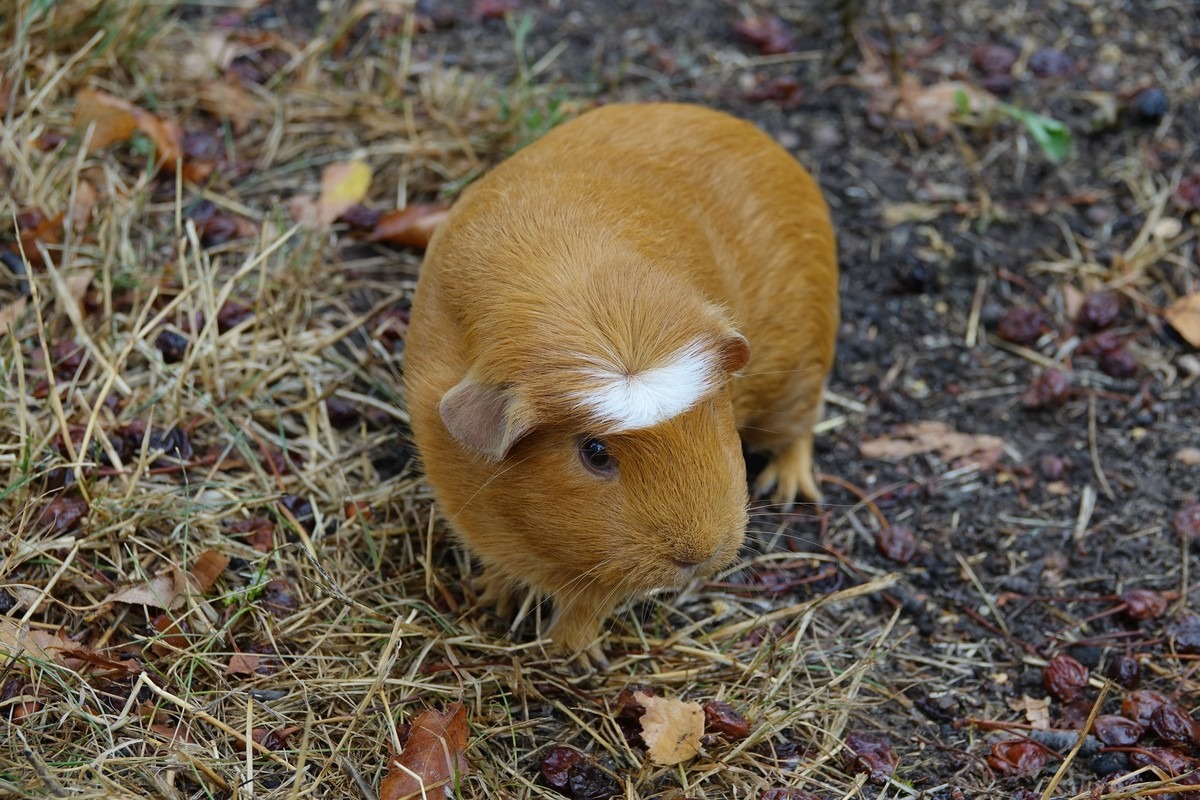
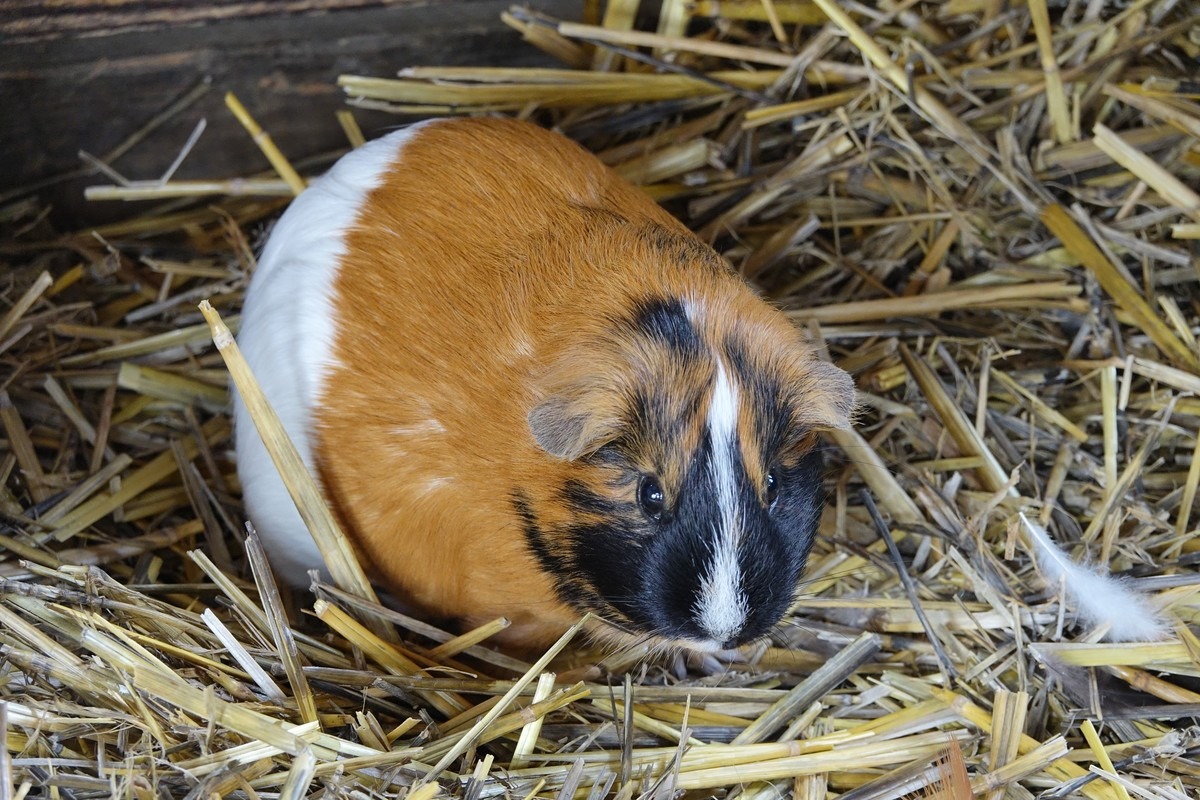
- American — The most common breed, with a short, smooth coat that lies flat. They are easy to groom, friendly, and great for first-time owners. Their calm disposition makes them excellent family pets.
- Abyssinian — Instantly recognizable by their rosettes (whorls of hair that form cowlicks across the body). Abyssinians are active, curious, and often described as having a “sassy” personality. They tend to be more vocal and adventurous than other breeds.
- Peruvian — Known for their long, silky hair that can grow up to twenty inches. Peruvians are absolutely stunning but require daily grooming to prevent mats and tangles. They are generally laid-back but need significantly more maintenance.
- Silkie (Sheltie) — Similar to the Peruvian but with hair that flows backward from the head rather than forward over the face. Silkies have a gentle, sweet temperament and also require regular brushing.
- Texel — A curly-coated breed with dense, crimped fur. Texels are affectionate and calm but their coats demand careful upkeep. They are a rarer breed and can be more expensive.
- Skinny Pig and Baldwin — Hairless or nearly hairless breeds. Skinny pigs have hair on their noses and feet; Baldwins are born with hair that falls out within weeks. They need extra warmth (a heated pad or cozy fleece) and their skin requires protection from sun and drafts.
Personality. Despite breed-specific tendencies, every guinea pig is an individual. Some are bold explorers; others are shy and prefer to observe from a hideout. Boars are often more territorial with other males but can be extremely affectionate with their humans. Sows tend to be more social with each other and slightly more independent. Whichever breed you choose, expect a creature that is diurnal (active during the day), curious, food-motivated, and full of distinctive vocalizations — from the happy wheek to the soothing purr.
Choosing the Perfect Cage Setup
One of the most common mistakes new guinea pig owners make is buying a cage that is far too small. Pet stores often market wire-bottomed hutches or tiny plastic “starter” enclosures — neither of which is adequate for a guinea pig’s well-being. A properly sized cage is the single most important investment you will make for your cavy’s quality of life.
Minimum Size Requirements. For two guinea pigs (the minimum recommended group), the absolute minimum cage size is 7.5 square feet (roughly 30 by 36 inches). However, bigger is always better. The ideal size for a pair is 10.5 square feet or more. For three guinea pigs, aim for 13 square feet. Remember: guinea pigs need room to run, popcorn, and establish separate eating and sleeping zones. A cramped cage leads to stress, obesity, and territorial fighting.
Types of Cages:
- CC (Cube-and-Coroplast) Cages — Also called C&C cages, these are modular enclosures made from wire storage cubes and corrugated plastic (coroplast) base. They are affordable, easily customizable, and widely considered the gold standard in guinea pig housing. You can expand them as needed.
- Large Pet Playpens — Sturdy metal or plastic playpens designed for small animals work well, provided the walls are tall enough (at least 12 inches) and the bars are close enough together (no more than 1.5 inches apart) to prevent escape.
- MidWest Guinea Habitat Plus — A commercially available 8-square-foot cage that is a good starting point for two guinea pigs. It includes a canvas bottom that’s gentle on feet.
- Aquarium Tanks — NOT recommended. Glass tanks have poor ventilation, trap humidity and ammonia fumes, and can cause respiratory infections. They are heavy, hard to clean, and offer no airflow.
Bedding. Choose absorbent, dust-free, and soft bedding. Fleece liners (with an absorbent layer underneath like towels or u-haul pads) are popular, reusable, and comfortable. Paper-based bedding like Carefresh or Kaytee Clean & Cozy is also excellent. NEVER use cedar or pine shavings — the aromatic oils cause severe respiratory issues and liver damage in small animals. Aspen shavings are acceptable if you prefer wood-based bedding.
Hideouts and Accessories. Every cage must have at least one hideout per guinea pig — a place where they can retreat and feel safe. Igloos, wooden huts, fabric tunnels, or even upside-down cardboard boxes work. Provide at least two water bottles (or a heavy ceramic bowl), a hay rack or pile area, a food dish, and toys (wooden chews, tunnels, boredom breakers). Keep the cage in a quiet, draft-free area away from direct sunlight, loud noises, and other pets like dogs and cats.
Clean the cage thoroughly once a week (replace all bedding, wipe down surfaces, wash fleece) and spot-clean daily (remove wet spots and soiled hay). Guinea pigs are surprisingly tidy animals, and a clean cage is essential for preventing respiratory and urinary tract problems.
Nutrition: What to Feed Your Guinea Pig
Guinea pigs have one of the most specialized nutritional requirements of any common household pet. Because they — like humans — cannot synthesize their own vitamin C, they must obtain it entirely from their diet. A deficiency leads to scurvy, a painful and potentially fatal condition. Understanding what and how much to feed your cavy is non-negotiable.
The 80/10/10 Rule. A guinea pig’s diet should consist of roughly 80% hay, 10% fresh vegetables, and 10% high-quality pellets. This ratio mimics their natural foraging behavior and keeps their digestive system running smoothly.
Hay — The Foundation of Good Health. Unlimited, high-quality grass hay should be available to your guinea pig at all times. Timothy hay is the gold standard for adult guinea pigs. Other good options include orchard grass, meadow hay, and oat hay. Hay serves three critical functions: it provides the fiber needed for proper digestion (guinea pigs are hindgut fermenters), it wears down their constantly growing teeth, and it provides mental stimulation through foraging. DO NOT feed alfalfa hay to adults — it is too high in calcium and protein, which can lead to bladder stones and obesity. Alfalfa is only appropriate for pregnant or nursing sows and babies under six months.
Pellets. Choose a plain, Timothy-based pellet with no seeds, nuts, dried fruit, or colorful bits. The added sugars and fats in “muesli-style” mixes cause obesity and selective feeding. A good guinea pig pellet contains stabilized vitamin C (look for “ascorbic acid” on the ingredient list) and has at least 16% fiber. Feed approximately one-eighth of a cup per guinea pig per day.
Fresh Vegetables — The Vitamin C Lifeline. Guinea pigs need about 10 to 30 mg of vitamin C per day (more for pregnant or sick animals). The best sources are fresh vegetables. Aim for a variety, rotating daily for balanced nutrition:
- High in Vitamin C: Bell peppers (red bell peppers are the best source — more vitamin C than an orange), kale, parsley, broccoli leaves, cilantro
- Leafy Greens: Romaine lettuce, green leaf lettuce, butter lettuce, endive, escarole, dandelion greens (avoid iceberg lettuce — it has almost no nutritional value)
- Other Vegetables: Cucumber, zucchini, carrot (in moderation due to sugar), celery, radicchio, tomato (without the stem)
- Occasional Fruits (treats only, 1-2 times per week): Strawberry, apple (no seeds), blueberry, raspberry, melon, orange (high sugar — tiny amounts only)
Foods to NEVER Feed: Chocolate, dairy, meat, avocado, onion, garlic, potato, rhubarb, iceberg lettuce (too much water, no nutrients), bread, pasta, cookies, cereal, any processed human food. Also avoid commercial “treat sticks” or yogurt drops — they are loaded with sugar and dairy, both of which are terrible for guinea pig digestion.
Water. Fresh, clean water must be available at all times. Use a heavy ceramic bowl (they can’t tip it over) or a quality water bottle. Change water daily and wash the container thoroughly each time to prevent bacterial growth. Some guinea pigs prefer bowls; others prefer bottles — offer both.
Social Needs: Why Guinea Pigs Need Friends
This is perhaps the most misunderstood aspect of guinea pig care. Guinea pigs are obligate social animals. In the wild, they live in herds of ten or more. Domestically, keeping a single guinea pig alone is considered a form of neglect in many countries — Switzerland has even made it illegal to own just one. A solo guinea pig is a lonely, stressed, and often depressed guinea pig.
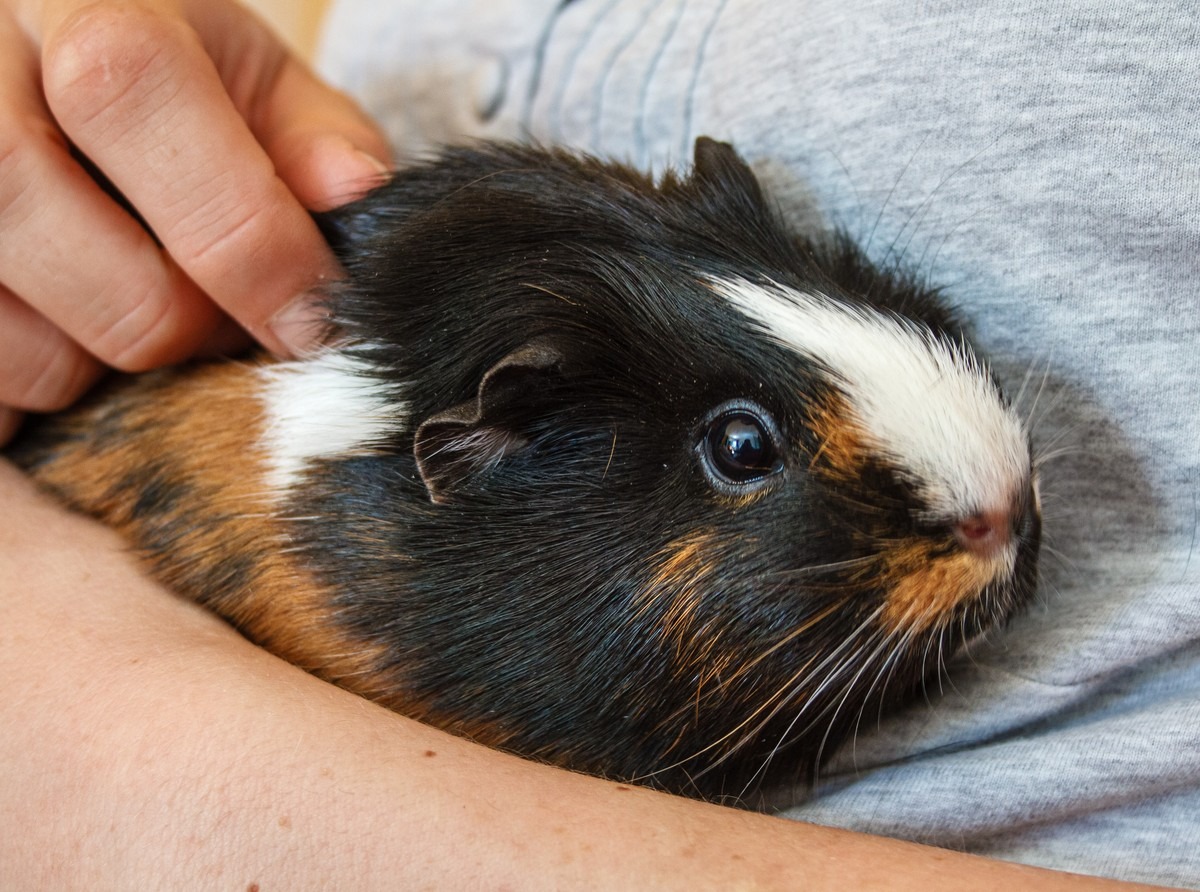
Why Companionship Matters. Guinea pigs communicate constantly — through chirps, rumbles, purrs, wheeks, chattering, and body language. They groom each other, sleep huddled together for warmth and security, and engage in play behaviors that simply cannot be replicated by human interaction. A solitary guinea pig may develop stereotypies (repetitive, compulsive behaviors like pacing or bar-chewing), lose appetite, become lethargic, or show aggression. These are symptoms of loneliness, not “bad behavior.”
Pairing Recommendations. The ideal combination is a pair of females (sows), a pair of males (boars) from the same litter or introduced young, or a neutered male with one or more females. Two males can live together harmoniously if they have enough space, two of everything (hideouts, food bowls, water bottles), and were introduced properly. Boars go through hormonal surges that can cause temporary squabbling, but with adequate space most pairs settle down.
Introducing a New Guinea Pig. Never simply place a new guinea pig into an existing cage. The introduction process should be gradual:
- Quarantine — Keep the new guinea pig in a separate room for two weeks to monitor for illness.
- Side-by-Side — Place their cages next to each other so they can see, hear, and smell each other without physical contact.
- Neutral Territory — Introduce them in a large, neutral space (a playpen or freshly cleaned area with no scent of either pig) with plenty of hay and hideouts. Spread food around to encourage positive association.
- Supervision — Watch for aggressive behaviors like teeth-chattering, lunging, or mounting that doesn’t stop. Minor chasing and rumbling is normal and part of establishing hierarchy. Separate only if blood is drawn or one pig is relentlessly terrorized.
Bonding can take anywhere from minutes to months. Once bonded, guinea pigs should never be separated unless absolutely necessary — breaking a bond can be traumatic for both animals.
Health and Grooming
Guinea pigs are hardy animals when well cared for, but they are prone to several specific health issues. Being proactive and observant is your best defense. A healthy guinea pig has bright, clear eyes, clean ears, a smooth coat, normal droppings (oval, firm, and dark), a good appetite, and active behavior. Any change in these signs warrants attention.
Common Health Problems:
- Vitamin C Deficiency (Scurvy) — Symptoms include lethargy, rough coat, reluctance to move, swollen joints, bleeding gums, and loss of appetite. Immediate treatment involves vitamin C supplementation (50-100 mg daily, either liquid or crushed tablets). Prevention is simple: provide fresh veggies daily.
- Dental Issues — Guinea pig teeth grow continuously (about 2-3 mm per week). Malocclusion (misaligned teeth) prevents proper chewing and leads to weight loss, drooling, and mouth pain. Signs include dropping food, favoring one side of the mouth, and reduced appetite. Regular hay consumption is the best prevention. Treatment requires veterinary filing.
- Respiratory Infections — Pneumonia is a leading cause of death in guinea pigs. Symptoms: sneezing, nasal discharge, labored breathing, crusty eyes, lethargy. Caused by bacteria (often Bordetella or Streptococcus), drafts, or poor ventilation. Requires immediate veterinary intervention with antibiotics.
- Bumblefoot (Pododermatitis) — A painful infection of the feet caused by wire flooring, dirty bedding, or obesity. Signs: red, swollen, or crusty foot pads. Treatment involves cleaning, antibiotics, pain relief, and correcting the underlying cause (switch to solid flooring!).
- Bladder Stones and Sludge — Caused by high-calcium diets (especially alfalfa hay or excess calcium-rich veggies like spinach and kale). Symptoms: straining to urinate, blood in urine, squeaking in pain when urinating. Treatment is surgical in severe cases; prevention requires proper diet and hydration.
- GI Stasis — A life-threatening slowdown of the digestive tract. Causes: stress, dehydration, pain, or sudden diet change. Signs: reduced droppings, bloating, lethargy, anorexia. Emergency veterinary care is essential.
Grooming. Short-haired guinea pigs need minimal grooming — a weekly brushing with a soft brush to remove loose hair. Long-haired breeds (Peruvian, Silkie, Texel) need daily brushing to prevent painful mats. Nail trims are needed every three to four weeks. Use small animal nail clippers and have styptic powder (cornstarch works too) ready in case you cut the quick. Baths are rarely necessary and can be stressful — only bathe if your guinea pig is visibly dirty or has a skin condition. Use warm water and guinea pig-safe shampoo only, and dry thoroughly to prevent chilling.
Finding a Vet. Before you bring your guinea pig home, identify a veterinarian who treats exotic pets (not all vets see guinea pigs). Annual wellness exams are recommended, and a sick guinea pig should see a vet within 24 hours — they decline rapidly. Signs that warrant an immediate vet visit: not eating or drinking, no droppings for 12 hours, labored breathing, blood in urine, discharge from eyes or nose, or sudden lethargy.
Enrichment and Exercise
Guinea pigs are intelligent, curious creatures who need mental and physical stimulation every single day. A bare cage with nothing but food and water is a prison, not a home. Enrichment is not optional — it is essential for your guinea pig’s psychological well-being.
Daily Floor Time. Every guinea pig needs at least one to two hours of supervised exercise outside the cage each day. Set up a secure playpen or guinea-pig-proof a room (block off wires, hide cords, remove toxic plants, and close off small spaces they could get stuck in). Provide tunnels, boxes, ramps, and toys to encourage exploration. A run on a safe, clean floor or on fleece blankets gives them the space to run, popcorn, and explore.
Toy Ideas and Enrichment Activities:
- Foraging Fun — Scatter their vegetables and pellets around the cage instead of using a bowl. Hide treats inside paper bags, cardboard tubes (cut lengthwise to prevent heads getting stuck), or in hay piles. Guinea pigs love to work for their food.
- Chew Toys — Applewood sticks, willow balls, bamboo chewing sticks, and untreated wooden blocks. Chewing keeps their teeth healthy and provides a natural outlet for their urge to gnaw.
- Tunnels and Tubes — Fabric tunnels, fleece tubes, or even the classic cardboard tube. Guinea pigs are prey animals who feel secure when they can move through covered spaces. A “tunnel run” across the cage gives them a sense of safety and adventure.
- Hay Piles and Hay Racks — Make hay interesting by stuffing it into toilet paper rolls, hay cubes, or small boxes. Guinea pigs enjoy pulling hay out of tight spaces — it mimics the work of foraging in the wild.
- Rotating Toys — Don’t leave the same toys in the cage indefinitely. Rotate them out every few days to maintain novelty. A cardboard box that was “boring” yesterday is a fascinating new castle after a week in storage.
- Social Enrichment — Talk to your guinea pigs throughout the day. They recognize their owners’ voices and will learn to respond. Hand-feed treats to build trust. Some guinea pigs enjoy being gently brushed or petted while they eat.
Cage Layout Matters. Rearrange the cage furniture periodically (hideouts, food bowls, tunnels) to create a fresh layout. Guinea pigs are naturally curious and will investigate the new arrangement, which provides mental stimulation. Just be sure to keep at least one familiar hideout so they still have a safe space during the adjustment period.
FAQ
Q: How many guinea pigs should I get?
A: At least two. Guinea pigs are herd animals and absolutely need a companion of their own kind. A single guinea pig cannot thrive alone, regardless of how much attention you give them.
Q: Are guinea pigs good pets for children?
A: Guinea pigs can be wonderful family pets, but they are fragile and easily frightened. Children under 8 should always be supervised when handling them. Guinea pigs may not be the best choice if you’re looking for a cuddly, lap-sitting pet — many guinea pigs prefer to be petted in their cage rather than held.
Q: Do guinea pigs bite?
A: Guinea pigs rarely bite, and when they do, it’s usually because they feel scared, are in pain, or mistake a finger for food. A well-socialized, gentle guinea pig is extremely unlikely to bite. Nibbling or gentle mouthing is normal exploration.
Q: Can guinea pigs live with rabbits?
A: No. This is a dangerous myth. Rabbits have different nutritional needs, can carry Bordetella bacteria (which is harmless to rabbits but deadly to guinea pigs), and a rabbit’s powerful kick can seriously injure a guinea pig. They should always be housed separately.
Q: What temperature range is safe for guinea pigs?
A: Guinea pigs are sensitive to temperature extremes. The ideal range is 65°F to 75°F (18°C to 24°C). Temperatures above 80°F (27°C) can cause heatstroke, and temperatures below 60°F (15°C) can cause respiratory issues. Never place the cage in direct sunlight or near drafts.
Q: How often should I clean the cage?
A: Spot-clean daily (remove wet spots, soiled hay, and refill food and water). Do a full cage clean (replace all bedding, disinfect the cage, wash all accessories) once a week.
Q: Can I potty train my guinea pig?
A: Guinea pigs are not reliably trainable like cats or dogs, but many will naturally choose a corner to urinate in. You can place a litter box with paper bedding in that corner to make cleaning easier. Don’t expect perfection — some hay and poop will always end up outside the box.
Q: Why is my guinea pig not eating?
A: A guinea pig that stops eating is a medical emergency. The most common causes are dental problems, GI stasis, illness, or stress. If your guinea pig hasn’t eaten in 8-12 hours, see a vet immediately. You can assist-feed Critical Care (a recovery food) in the meantime.
Q: Do guinea pigs need vaccinations?
A: No, guinea pigs do not require routine vaccinations. However, they do benefit from regular veterinary check-ups to catch problems early.
Q: How do I know if my guinea pig is happy?
A: Happy guinea pigs are active, vocal, and have a good appetite. Look for popcorning (sudden joyful leaps in the air), which is the cavy equivalent of dancing. A relaxed guinea pig will lie stretched out, purr gently when petted, and show curiosity about their environment.
Conclusion: Your Guinea Pig Journey Starts Now
Caring for a guinea pig is a daily act of love. It means waking up every morning to the sound of wheeking, reaching into the cage for a gentle sniff and a soft purr, and knowing that these small, trusting creatures depend on you entirely. It is not always easy — you will deal with dirty cages, expensive vet bills, and the heartbreak of illness. But the joy they bring is immeasurable.
We have covered a lot of ground in this guide: choosing the right breed, setting up a spacious and enriching cage, providing a vitamin-C-rich diet, understanding their profound social needs, recognizing signs of illness, and keeping them mentally stimulated. If you take one thing away from this article, let it be this: guinea pigs are not accessories or low-commitment pets. They are sentient, emotional beings who deserve respect, proper care, and — above all — a friend of their own kind.
If you are ready to open your heart and home to these wonderful little animals, start by adopting two from a reputable rescue or shelter. There are thousands of guinea pigs waiting for a second chance. Give them the life you’ve just learned to provide, and you will be repaid with years of wheeks, popcorns, and gentle companionship.
Ready to bring home your first cavies? Share this guide with fellow guinea pig lovers, bookmark it for quick reference, and join our community of small animal enthusiasts at Petsshots.com. Have questions or your own guinea pig story? Drop a comment below — we’d love to hear from you!